
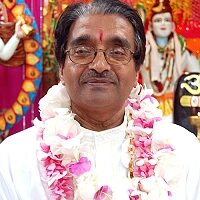
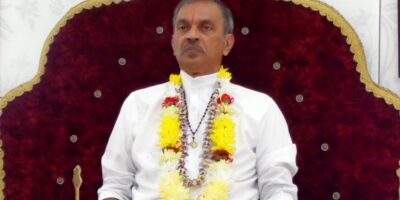
From the teachings of Pt. Dr. Umesh Persad, Spiritual Leader, Shiv Shakti Mandali of Marion Oaks, FL., USA
Divali is often associated with prosperity, abundance and the worship of Lakshmi Devi. Yet the deeper meaning of Lakshmi invites us to look beyond material possessions and towards a wealth that cannot be spent, lost or taken away:
The greatest wealth is the wealth we cultivate within.
Beyond Material Prosperity
Money comes and goes. Circumstances change, relationships evolve, plans do not always unfold as expected, and life inevitably brings both joy and sorrow. Divali therefore offers an opportunity to ask a deeper question:
What kind of wealth can sustain us through all that life brings?
True prosperity is found in peace of mind, harmony within the home, compassion, contentment, self-control and spiritual awareness.
The rituals of Divali are rich in symbolism. The six coins associated with the worship of Maa Lakshmi remind us of six forms of inner or spiritual wealth. Unlike material possessions, these treasures do not diminish when shared. In fact, the more we practise them, the more they grow.
The Six Internal Treasures
The first two treasures are control of the senses and control of the mind.
Our five senses constantly draw our attention outward: towards what we see, hear, smell, taste and touch. When the senses continually dictate our desires, the mind becomes restless. Learning to discipline the senses helps us gain greater control over our thoughts and responses.
Self-control does not mean denying life. It means learning not to be controlled by every impulse. When we gain mastery over the senses and the mind, we create greater freedom and peace within ourselves.
The third treasure is contentment.
Contentment does not mean abandoning ambition or refusing to improve our circumstances. Rather, it means being at peace with what we have while continuing to work towards what we aspire to achieve.
When the mind is constantly occupied with “I want more” or “I deserve something different,” dissatisfaction grows. Contentment allows gratitude to take its place. It frees us from the habit of blaming others for what we feel is missing in our lives.
The fourth treasure is compassion.
When everything becomes “me, me, me”, what I want, what I deserve, what others should do for me, we create unhappiness. Compassion encourages us to look beyond ourselves and become more attentive to the needs and feelings of others.
Genuine happiness is not found only in receiving. It is also found in giving, understanding and caring. Compassion towards ourselves and others brings greater peace to our lives and relationships.
The fifth treasure is internal peace and harmony.
This is the deeper prosperity that Divali encourages us to seek. Money and material possessions may come and go, but peace of mind and harmony within the home provide a more enduring sense of abundance.
We can begin by examining our own contribution to the atmosphere around us:
Am I contributing to harmony in my home, or am I contributing to its unrest?
The sixth treasure is faith.
This is not simply belief, but faith grounded in an awareness of our true nature and the deeper spiritual reality that underlies existence. It gives us the confidence to look beyond temporary circumstances and recognise that there is something enduring within us.
Together, these six treasures remind us that spiritual wealth is not measured by what we possess, but by who we are becoming.
The Light Within
Divali is the Festival of Lights, but what is the light that we are truly celebrating?
Beyond the lamps and the brightness outside is the spiritual light within.
Brahman is the underlying reality that pervades existence. The teaching of Tat Tvam Asi—“You are That” points towards the recognition that our deepest nature is more than the temporary body and mind. Like waves arising from one ocean, we may appear to be separate individuals, yet we remain connected to a deeper unity. This realization lies at the heart of spiritual liberation, or moksha. The lights of Divali may shine for a night, but the internal light can brighten an entire life.
A Divali Commitment
This Divali, we can make two simple commitments.
First, let us seek to understand the true light of Lakshmi within us; the deeper spiritual reality that transcends the temporary changes of life.
And if that understanding feels distant or abstract, let us begin with something immediate and practical:
Let us cultivate peace of mind and harmony in our homes. Let us practise self-control, contentment, compassion and faith. Let us become more mindful of our thoughts, our actions and the way we treat those around us. Let us value the people who are with us now. Let us remember that the greatest prosperity is not what we accumulate, but what we become.
And as we light our deeyas this Divali, may we remember that the brightest light is not outside us. It is the light we discover in us.

Leave a Reply