
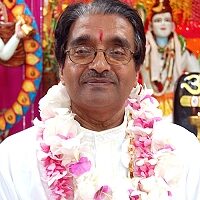


From the teachings of Pt. Umadutt Maharaj, Spiritual Leader, SWAHA Bhakti Jyoti Mandali
The wisdom of both the Bhagavad Gita and the Ashtavakra Gita offers profound guidance on the purpose of human life and the journey toward inner peace. These eternal teachings remind us that the essence of life lies not just in external achievements, but in the realization of the Self.
The Bhagavad Gita, the “Song of the Divine,” is considered a living expression of divine wisdom. Across its many teachings, such as the joy of Self-realization, the practice of detachment and the pursuit of higher knowledge, it continually points us toward one central truth: the most important task in life is to understand oneself.
Understanding the Self
In our daily lives, we often become preoccupied with external concerns: status, possessions and the affairs of others. Yet, spiritual wisdom urges us to “mind our own business” in the deepest sense: to focus on our spiritual growth and awareness.
The teachings of the Bhagavad Gita emphasize that the less we understand our true nature, the less we evolve. True progress comes not from accumulation, but from self-awareness and introspection.
The Ashtavakra Gita reinforces this message through its powerful dialogue between Sage Ashtavakra and King Janaka. The story of Ashtavakra himself, born with physical deformities yet possessing immense spiritual wisdom, serves as a reminder that true knowledge transcends the physical form.
The Nature of the Soul
One of the most profound teachings shared in both texts is the distinction between the body and the soul.
The body is temporary, ever-changing and subject to decay. The soul, however, is eternal, divine and indestructible. As taught in the Bhagavad Gita, just as a person changes worn out garments, so too does the soul move from one body to another.
Understanding this truth transforms our perspective. It invites us to ask:
- Why do we worry excessively about the temporary?
- Why do we allow the mind to become restless and burdened?
Instead, we are called to realize our divine nature and free ourselves from the cycle of attachment and suffering.
What is Quietude?
A central theme explored is quietude: a state essential for spiritual growth.
Quietude is not merely physical silence. It is:
- A state of inner stillness
- A peaceful and tranquil mind
- A calmness that arises from self-mastery
Without control of the mind, true peace is impossible. The restless mind, often compared to a monkey, jumps from thought to thought, preventing us from experiencing lasting happiness.
Quietude begins within. It is cultivated through:
- Control of the senses
- Discipline of thought
- Awareness of one’s inner state
Only when the mind is tranquil can we experience genuine peace.
Detachment and the Illusion of Possession
The teachings urge us to cultivate non-attachment, not by abandoning life, but by changing the relationship with it.
We are not asked to reject wealth, relationships or responsibilities. Rather, we are encouraged to see them for what they are, temporary and ever-changing, like a dream.
Everything we possess: status, relationships, material comforts, will eventually pass. Even those we love dearly cannot be held forever. Recognizing this truth helps us avoid suffering, for attachment inevitably leads to disappointment.
As the teachings suggest:
We should live in the world but not be bound by it.
Surrender to the Divine
The teachings culminate in a powerful and simple truth: true peace comes from surrender to the Divine.
This surrender does not mean withdrawing from life or abandoning responsibilities. Rather, it means:
- Seeking the shelter and guidance of the Divine
- Performing our duties without attachment
- Living with awareness of our higher purpose
When we align ourselves with the Divine, we gain control over the mind and senses. Life becomes clear and ultimately more peaceful.
When we understand that we are part and parcel of the Divine, our actions naturally reflect that truth. Life then becomes not a burden, but a spiritual journey toward realization.
