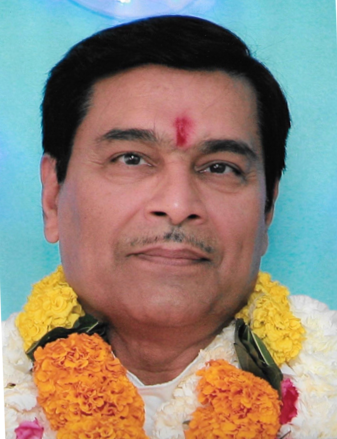
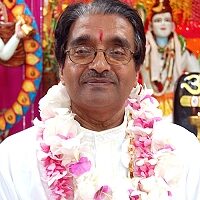

From the teachings of Pt. Balram Persad, Spiritual Leader, SWAHA Om Shakti Mandali
In every age, the scriptures provide clear standards by which we may evaluate our lives. These teachings are intended to lead us toward internal refinement and spiritual growth. They ask a simple yet profound question: What does it mean to live a truly virtuous life?
According to the sages of Hinduism, a wise and intelligent person is not defined by wealth, status or worldly success, but by the quality of character, the purity of intention and steadfast devotion to the Divine.
The Hallmarks of a Virtuous Person
The scriptures describe several qualities that indicate a life based in wisdom and righteousness.
A virtuous person is one who:
- Lives according to Dharma.
- Cultivates noble thoughts and virtuous conduct.
- Speaks truthfully and acts with integrity.
- Serves family and society with love and selflessness.
- Practises generosity and charity.
- Avoids wastefulness and uses resources wisely.
- Harms neither people, animals nor the natural world.
- Maintains devotion to God in all circumstances.
Such a person becomes a source of peace, stability and inspiration to everyone around them.
Righteousness Begins at Home
Spirituality is not confined to temples and rituals. It begins in the home. When family members fulfil their respective duties with sincerity and mutual respect, the household becomes a sacred space.
The teachings highlight especially the role of loving service within marriage and family life. When each member accepts their responsibilities with humility and devotion, harmony naturally arises.
A peaceful home is one of the greatest fruits of a virtuous life.
Charity and Compassion
A truly virtuous life includes giving.
Charity is not measured by the size of the gift, but by the spirit in which it is offered. Whether through material support, kind words or acts of service, generosity purifies the heart and reminds us that our lives are interconnected.
Compassion extends beyond human relationships. It includes kindness toward all living beings and reverence for nature itself.
Simplicity and Responsible Living
The wise person understands the difference between necessity and excess.
Resources should be used thoughtfully and without extravagance. Wastefulness not only reflects an internal imbalance but also contributes to environmental degradation and social inequality.
By embracing simplicity, we cultivate gratitude and free ourselves from unnecessary desires.
Truth in Action
A memorable teaching states:
“Well said is good; well done is better.”
Beautiful words have value, but they must be matched by action. Anyone can speak kindly or offer lofty ideals, but genuine spirituality is revealed through conduct. Our actions should reflect the values we profess to hold.
The Family as a Reflection of Spiritual Health
The condition of a family often mirrors the spiritual outlook of its members.
If even one individual is deeply committed to God and righteous living, that influence can uplift the entire household. Conversely, when selfishness and neglect dominate, discord may arise.
Each person therefore has a responsibility to contribute to the peace and sanctity of the home.
The Kingdom of Peace
The teachings extend from the family to society at large.
When righteousness prevails in individual lives, peace is established in homes, communities and nations. A country or kingdom is truly virtuous when its people embody integrity, compassion and devotion.
Social harmony begins with personal transformation.
The Precious Gift of Human Birth
The discourse reminds us that human life is extraordinarily rare and valuable.
This body has been granted so that we may remember God and realize our highest purpose. To live without spiritual awareness is likened to carrying an unlit lamp: possessing great potential but not using it.
Time passes swiftly. Day and night slip away, and the opportunity of this life will not last forever.
God Is Within
Many seek God in distant places: on mountaintops, in caves or in remote pilgrimage sites.
Yet the sages teach that the Divine dwells within the heart.
There is no need to search elsewhere for what is already present as the innermost Self. Through devotion, contemplation and purity of mind, one discovers that God has always been near.
Letting Go of Illusion
The final message is a call to abandon false attachments and worldly distractions.
When we are controlled solely by the senses, we remain trapped in illusion and suffering. By turning inward and remembering the Divine Name, we gradually attain freedom and peace.
Whoever sincerely contemplates the Lord with love and faith moves toward liberation.
A Life Worth Living
The scriptures offer a clear and compassionate roadmap:
- Live righteously.
- Serve selflessly.
- Speak truthfully.
- Give generously.
- Safeguard the environment.
- Cultivate peace at home.
- Remember God constantly.
Such a life is truly virtuous.
As time continues its unceasing march, may we use this precious human birth wisely. May our homes become sanctuaries of love, our actions expressions of dharma and our hearts temples of devotion. In the end, the greatest achievement is not what we possess, but what we become.
