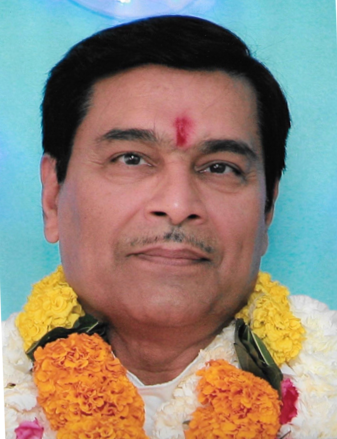

From a satsang with Pt. Balram Persad, Spiritual Leader, SWAHA Om Shakti Mandali
During the sacred observance of Navraatri, devotees across the world join in contemplation of the many manifestations of the Divine Mother. While our earthly mothers gift us physical birth and nurture, it is the Divine Mother who bestows the very essence of life itself. As seekers on the spiritual path, inquiring into the nature of self, existence and right living, we turn to the eternal wisdom of the scriptures. Revered as Ved Maataa, these sacred texts are not only guides to truth but are themselves honoured as expressions of the Divine Mother, nourishing the intellect and uplifting the soul.
The Divine Mother in Nature and Daily Life
Just as Mother Nature sustains us through trees, plants, rivers and rain, so too do forms such as Ganga Maataa and Gow Maata represent the Divine Mother’s nurturing presence upon Earth.
Devi as Shakti: The Power That Sustains Creation
The Divine Mother, personified as Devi, is the embodiment of shakti: the cosmic energy that animates and sustains the universe. The name Durga, meaning “that which is difficult to attain”, also paradoxically signifies “that which is easily attained”. The difference lies not in the grace of the Divine, but in the seeker’s attitude, awareness, maturity and understanding.
Like the sun and rain that provide for all without discrimination, the radiance of Devi Maa shines universally. Yet its impact varies according to the receptivity of each individual, shaped by personal readiness and spiritual awareness.
The Sacred Trinity of Shakti
Lakshmi Maa manifests as abundance in its fullest sense: not merely material wealth, but health, harmonious relationships and spiritual prosperity. Saraswati Maa presides over knowledge, wisdom, creativity and the arts. Together, Durga, Lakshmi and Saraswati represent Icchaa Shakti (willpower), Gyaan Shakti (right knowledge) and Kriyaa Shakti (right action). This culminates in the embodiment of Kaali Maa, who symbolises the power that brings about rightful results and spiritual transformation.
The Significance of Navraatri Observances
There are four Navraatris observed annually, of which the two following Pitra Paksha and Phagwa are usually observed locally. These sacred periods remind us of our true spiritual essence and affirm that the Divine transcends all boundaries of gender, race, colour and religion. It is humanity that projects its limitations upon the Divine, assigning form and imperfection to that which is inherently pure and complete.
Spiritual Practices and Internal Transformation
Navraatri spans nine days of fasting and discipline, adapted according to individual health and capacity. Central to this observance is sustained focus on the Divine Mother in the form of Devi. According to the Devi Bhagavata Purana, these observances yield profound blessings:
- Sukha Daayak: Bestowing happiness and contentment
- Gyaan Daayak: Granting insight, wisdom and transformative understanding
- Moksha Daayak: Liberating the soul from bondage and the cycle of birth and rebirth
- Sukh Santan Daayak: Fulfilling sincere and righteous desires
- Shatru Nash Kari: Destroying not only external adversaries, but internal obstacles such as fear, ego and ignorance.
Faith, Humility and Divine Grace
In humility, we recognise that even our most sincere efforts must align with the Divine will. In times of hardship, resistance and uncertainty, faith becomes our anchor. Hindu scriptures abound with stories of those who, like the lotus rising unstained from muddy waters, transcended suffering through divine grace.
Blessed by Devi Maa, we find the strength to uphold our values, traditions and way of life. Knowledge and devotion together light up the spiritual path, reminding us that earnest effort is essential for spiritual growth and lived experience.

Surujdaye Ramsundar
I was a bit confused by your calendar of 2026. Specifically for Chaitra Nav Ratri 2026 and the date foe Ram Naumi. I would appreciate an explanation, I thought it was to be on the 27th of March. Also the end of Nav Ratri. Why the 26th??