
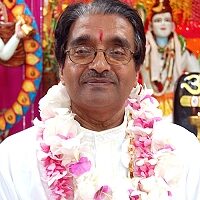

Based on various messages by Pt. Umadutt Maharaj, Spiritual Leader, SWAHA Bhakti Jyoti Mandali
Makar Sankranti is one of the most vibrant and spiritually significant festivals in the Hindu calendar, celebrated each year on January 14th. Rooted in both cosmic movement and timeless tradition, this auspicious observance marks a powerful transition, not only in the heavens, but also in human consciousness.
At its heart, Makar Sankranti signifies the moment when the Sun enters the zodiac sign of Capricorn (Makar). The word Makar refers to Capricorn, while Sankranti means transition. Although the Sun transitions from one zodiac sign to another every month, resulting in twelve sankrantis each year, Makar Sankranti is regarded as the most auspicious of all, along with Mesha (Aries) Sankranti. This is because it marks the Sun’s northward journey, known as Uttarayan.
The Cosmic Shift: From Darkness to Light
From Makar Sankranti onwards, the Sun begins its ascent into the Northern Hemisphere, bringing longer days and shorter nights. The chill of winter gradually recedes and warmth, light and nature return. Spiritually, this shift is deeply symbolic. Hindu scriptures describe Dakshinayan (the Sun’s southward movement) as the “night of the gods”, a period associated with introspection, while Uttarayan is considered the “day of the gods”, a time of awakening and divine grace.
This cosmic turning gently echoes the ancient prayer:
“Tamaso maa jyotir gamaya”: From darkness, lead me to light.
Makar Sankranti thus becomes a reminder to rise above ignorance, negativity and inertia, and to move steadily toward wisdom, clarity and righteousness.
Worship of the Sun: Source of Life and Wisdom
The Sun God, Surya, holds a central place in Hindu thought as the embodiment of energy, life, knowledge and truth. It is Surya to whom the divine Gayatri Mantra is addressed: a daily prayer chanted by devotees seeking illumination of the intellect and awakening of inner wisdom.
In the Bhagavad Gita, Lord Krishna reveals that Surya was His first recipient of divine knowledge, underscoring the Sun’s exalted spiritual status. Among all celestial bodies, the Sun is the most glorious, and therefore every significant solar event has been observed as a religious and cultural milestone.
On Makar Sankranti, devotees traditionally rise before sunrise, bathe and offer water and flowers to the rising Sun, chanting the Gayatri Mantra with folded hands. This act is both a gesture of reverence and a prayer, that knowledge, wisdom and enlightenment may rise within us, just as the Sun ascends in the sky.
A Message for Today
Makar Sankranti is not merely a date on the calendar; it is a call to transformation. As the Sun turns northward, so too are we invited to turn our lives toward light, purpose and higher ideals. It encourages us to live dynamically, inspired by knowledge, guided by righteousness and based in gratitude.
May this divine occasion bless us all with clarity of thought, warmth of heart and the strength to walk the path of truth and dharma.
