
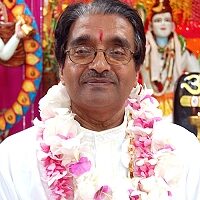

From a satsang with Pt. Balram Persad, Spiritual Leader, SWAHA Om Shakti Mandali
Kaartik Maas, a most auspicious month in the Hindu calendar, begins this year on October 7 and culminates on November 5. During this sacred period, devotees engage daily in the worship of Tulsi Maa, the divine plant whose presence and symbolism are integral to Sanaatan Dharma.
According to tradition, Tulsi Maa manifested during the full moon of Kaartik. In Hindu households across generations, Tulsi plants were lovingly cultivated, believed to radiate good energy. Some traditions hold that Tulsi acts as a natural insulator against electrical impulses and shields homes from lightning. Ayurveda reveres Tulsi for its medicinal powers: its leaves, stems and roots are used to treat illnesses and preserve health. Indeed, Tulsi is recognised across cultures for its sanctity; in Christian lore, it is said that holy basil (the Tulsi plant) sprouted where the blood of Christ touched the ground.
Tulsi in Daily Worship
The blessings of Tulsi extend into the daily lives of devotees. Drinking Tulsi water soothes the body, while wearing a Tulsi mala sanctifies the mind. In ancient times, oaths were sworn upon Tulsi leaves, a testament to their divine power. Devotees sprinkle Tulsi water in their homes to dispel negativity while chanting the Das Akshar mantra:
Om Shreem Hreem Kleem Aim Brindavanyai Swaha.
This mantra, traditionally recited during daily Tulsi puja in Kaartik, invokes her divine presence and shelter.
Tulsi Maa is revered by eight sacred names, each carrying immense blessings:
Om Brinda, Om Brindavani, Om Vishvapujita, Om Vishwapavani, Om Tulsi, Om Puspasara, Om Nandani, Om Krishna Jeevani.
The Living Presence of the Divine
Tulsi is not an ordinary plant. The scriptures say: at her roots dwell the sanctity of all holy places of pilgrimage; within her branches reside the 33,000 deities; and in each of her leaves live the essence of sacred yagyas. This is why Tulsi leaves are considered indispensable in all religious offerings (prasadam); through her, the presence of all the Devtas is invoked.
As we observe Kaartik Maas, may the worship of Tulsi Maa awaken within us devotion, purity and the spirit of service. Let her presence in our homes and hearts enlighten our path and draw towards the Divine.
