
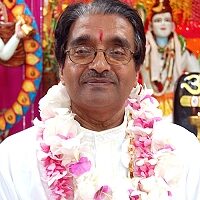


From a satsang with Pt. Umadutt Maharaj, Spiritual Leader, SWAHA Bhakti Jyoti Mandali
As we journey through life, there are certain truths that must be deeply rooted within us if we are to fulfil the highest purpose of human existence. Among these, the concept of relationship is central—not only with those around us, but most significantly, with the Divine.
Human beings are innately social. We rely on relationships from the moment we are born—parents, siblings, friends, teachers and life partners. These tangible connections form the framework of our lives, providing stability, love and identity. Indeed, it is said, “No man is an island.” Isolation can lead to emotional and psychological imbalance. To thrive, we must relate, connect and belong.
In the same way that our human relationships sustain us, so too must we cultivate a sacred relationship with God. Many of us visit places of worship, such as temples, seeking solace, strength and spiritual community. In these sacred spaces, we connect not just with one another, but ideally, with the Supreme. Often, however, our focus remains on the external: the rituals, the gatherings, the festivals. While these are important, they must ultimately lead us inward—toward a deeper, personal relationship with the Divine.
Swami Sivananda, a great spiritual master, explains six devotional bhaavas or attitudes through which we can connect with God. These are not merely poetic ideas; they are living modes of relating to the Infinite that help to shape our character, consciousness and spiritual path. Just as each human relationship comes with its own expectations and behaviours, so too does each bhaava define how we interact with and perceive God.
The Six Bhaavas – Sacred Paths to the Divine
- Shaanta Bhaava – The Peaceful Relationship
This is the serene and reverent love of a child for a parent. It is filled with quiet adoration and awe. Devotees like Dhruva and Prahlāda, and even divine incarnations such as Shree Raam and Shree Krishna in their early years, reflected this attitude of steadfast devotion. - Daasya Bhaava – The Servant Relationship
The devotee sees himself or herself as a humble servant of the Lord. With steadfast loyalty and obedience, like Hanumanji or Vibheeshan, the soul surrenders to the will of the Divine Master, seeking only to serve. - Sakhya Bhaava – The Friendly Relationship
In this mode, God is a close friend and confidant. The bond is intimate, equal and deeply affectionate. Arjuna, in the Bhagavad Gita, and Sudaamaa, the childhood companion of Shree Krishna, both exemplify this loving friendship with the Lord. - Vaatsalya Bhaava – The Parental Relationship
Here, the devotee sees God as their child, nurturing Him with affection and care. This is the love that Yashodaa Maa felt for baby Krishna, and that Kaushalyaa Maa, Bharat, Lakshman and Shatrughna had for Shree Raam. - Kaanta Bhaava – The Spousal Relationship
In this most intimate bond, the Lord is revered as the beloved spouse. Devotees such as Seetaa Maa and Raadhaa Devi embody this sacred union, in which the soul is in constant communion with the Divine through love and surrender. - Madhurya Bhaava – The Sweet Relationship of Divine Love
This is the most elevated and personal form of devotion—where the Lord resides permanently in the heart of the devotee through intense love and longing. Meera Bai’s soul-stirring devotion to Shree Krishna is a beautiful example of this bhaava. It transcends all other relationships and is rooted in the deepest love, free from condition or circumstance.
Each bhaava represents a unique spiritual path. Some may feel drawn to God as a child, others as a friend and still others as a beloved. The beauty of Sanaatan Dharma lies in its expansiveness—it allows the soul to choose its own lens through which to see and connect with the Divine.
Whichever relationship one chooses to cultivate, what matters most is that a relationship is indeed formed. The Divine is not a distant concept, but a living presence that seeks to dwell in hearts and guide lives. As Shree Krishna declares in the Bhagavad Gita:
“Think of Me, bow down to Me, worship Me always, and surely you shall come to Me.”
This is the promise of Divine love: that when we take even one step towards God, He takes ten towards us.
Let us, therefore, not delay. Let us seek out that sacred relationship—whatever form it may take—and allow it to shape hearts, direct actions and uplift lives. In love, in service, in friendship or in surrender, the Divine waits for us.
