
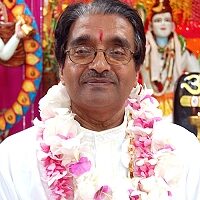

From the teachings of Pt. Umadutt Maharaj, Spiritual Leader, SWAHA Bhakti Jyoti Mandali
In one of the profound dialogues of the sacred Ramcharitmanas, a deeply significant question is posed: What is the difference between a saintly person (sant) and an unsaintly person (asant)?
The question is asked for the upliftment of humanity, so that all may hear the divine answer and reflect upon their own lives.
The Value of Questions
In spiritual life, questions are essential. Doubts, if left unresolved, can quietly poison the mind and obstruct inner growth. When sincere questions are asked with humility rather than arrogance, they become instruments of enlightenment.
The scriptures repeatedly show sages and devotees posing questions to the Divine so that eternal truths may be revealed for the benefit of all. Every sincere inquiry opens a doorway to wisdom, and every divine response becomes a guide for the soul.
Scripture as a Spiritual Mirror
The teachings of the Ramcharitmanas are not intended to encourage judgment of others. Rather, they invite introspection.
Scripture functions as a mirror. As we listen to descriptions of noble and ignoble qualities, we are called to examine our own hearts. The purpose is not to point fingers, but to identify what within us needs cleansing.
Just as a farmer removes weeds from a field to allow healthy crops to flourish, spiritual wisdom uproots the weeds of pride, anger, jealousy and deceit from the garden of the mind.
The Lord Who Dwells Within All
The Divine is described as the Antaryami, the indwelling presence who knows every thought, feeling and intention.
Nothing is hidden from God. Even the most private prayers, whispered silently within the heart, are fully known to Him. This truth is both humbling and comforting: our struggles are understood, our sincerity is recognized and our efforts toward righteousness never go unnoticed.
Qualities of the Saintly Person (Sant)
The saintly soul is described as one who:
- Feels sorrow upon seeing others suffer.
- Rejoices in the happiness and success of others.
- Harbours no enmity toward anyone.
- Remains balanced and even-minded.
- Shows compassion to those in distress.
- Gives honour where honour is due.
- Controls the mind and senses.
- Performs duties conscientiously.
- Speaks words of encouragement rather than discouragement.
- Maintains steadfast devotion to God.
- Regards praise and criticism with equal composure.
Such souls are especially dear to the Lord. Their lives radiate humility, benevolence, self-restraint and unconditional love.
Qualities of the Unsaintly Person (Asant)
In contrast, the unsaintly person is characterized by:
- Jealousy at the success of others.
- Delight in another’s misfortune.
- Anger, greed, pride and hypocrisy.
- Deceitfulness and crookedness.
- False and manipulative speech.
- Slander and backbiting.
- Ingratitude toward parents, teachers and benefactors.
- Disregard for moral and spiritual consequences.
- Harmful influence through negative company.
Such individuals may appear pleasant outwardly, but inwardly they are consumed by envy and selfishness.
The Importance of Company
The scriptures place tremendous emphasis on the company we keep.
Association with saintly souls elevates the mind, strengthens faith and inspires noble conduct. Association with negative influences, however, can drain one’s spiritual energy and lead to sorrow.
For young people especially, this teaching is invaluable: choose friends whose presence encourages truth, integrity and devotion.
The Law of Karma and Personal Responsibility
The universal principle of Karma states that every action has consequences.
Every cause produces an effect, and every effect arises from a cause. Nothing in life is random. Our present circumstances reflect past actions, and our current choices shape future experiences.
No one else can walk our spiritual journey for us. We come into this world alone and, ultimately, each soul must answer for its own actions.
As the Bhagavad Gita states, one can be one’s own best friend or one’s own worst enemy.
Being Virtuous
The distinction between the saintly and the unsaintly is not intended to condemn, but to guide.
Within every individual lies the potential for transformation. By recognizing negative tendencies and consciously cultivating compassion, truthfulness, humility and devotion, anyone can become virtuous.
The Divine continually protects and uplifts those who strive to live righteously.
The Ultimate Purpose of Life
All scriptural teachings point toward one goal: self-realization.
Human life is a sacred opportunity to rediscover our true nature as expressions of the Divine. Wealth, status and worldly achievements are temporary, but the purification of the heart endures.
Each person must decide whether to cultivate the qualities of the saint or the tendencies of the unsaintly. The scriptures hold up a mirror. The reflection is ours to examine, and the choice is ours to make.
