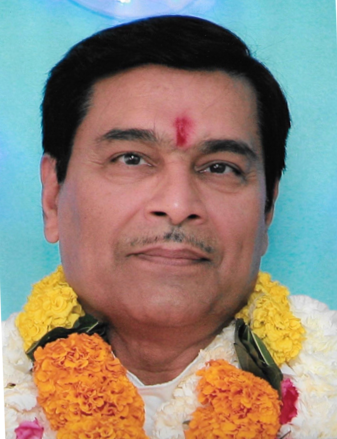

From a discourse with Pt. Balram Persad, Spiritual Leader, SWAHA Om Shakti Mandali
Across our sacred scriptures, the message of unity within families, communities and society, resounds with unmistakable clarity. Whether spoken through the compassionate counsel of Vibhishan in the Raamaayan or illustrated through the simple yet profound parables of the Upanishads, Sanaatana Dharma teaches that unity is the foundation of collective strength, harmony and spiritual progress.
Today, as we reflect on these teachings, we are reminded that our families, temples, organisations and entire nation flourish when we cultivate good thoughts, mutual respect and togetherness.
In the Raamaayan, Vibhishan, brother of Raawan, stands as a beacon of wisdom and righteousness. When Raawan, driven by ego and delusion, abducted Mother Sita, it was Vibhishan who implored him to reconsider his actions. He reminded him that good thoughts lead to constructive, unifying actions, while negative thoughts lead only to destruction.
Vibhishan’s plea was not born of arrogance, but of love:
“My brother, I speak not because I know more, but because I long for our family to remain united. Let go of destructive thoughts. The same hand that harms can also heal.”
He reminded Raawan of the scriptures he had studied, the power he had gained through Lord Shiva’s worship, and the expectations of his noble ancestors, all of whom upheld righteousness.
Vibhishan’s message was simple yet profound:
- Unity brings happiness.
- Division brings destruction.
- Positive thoughts result in togetherness.
- Negative thoughts bring inevitable suffering.
Yet Raawan, blinded by pride, rejected his brother’s heartfelt counsel, going so far as to call him a fool, and thereby sealed his own end. His refusal to return Sita Devi to Shee Raam did not leave any alternative but war.
The lesson is eternal: Where ego reigns, unity perishes. Where love reigns, harmony prevails.
The Upanishads further illustrate the power of good thinking through a simple but striking parable.
Seeing that beings, good and bad alike, were constantly quarrelling, Bramhaji devised an experiment. He invited all of them to a feast. The demons demanded to be fed first, and Bramhaji, respecting their wish, agreed but with one condition: no one was allowed to bend their elbows while eating.
The demons, unable to bring food to their own mouths, made a spectacle of themselves. This represented wrong or selfish thinking, which only brings frustration.
However, the Devas displayed right thinking. Instead of fighting, they turned toward each other. With arms held straight, each fed the other. By helping one another, all were nourished.
The message was clear: Unity and co-operation arise from good thoughts. Division and failure arise from selfish thoughts.
Our thoughts shape our actions, and our actions shape our relationships: within families, temples, communities and nations.
Our scriptures consistently emphasise that the destiny of families, societies and entire civilisations rests upon the thoughts we nurture and the unity we uphold. Whether in the palace of Lanka or the household, the principle remains the same:
Let us therefore choose:
- Good thoughts over harmful thoughts
- Co-operation over conflict
- Healing words over harsh words
- Family togetherness over ego
- Community unity over division.
Where there is love, unity and righteous thought, God manifests. May these teachings guide our homes, temples and nation toward peace and mutual advancement.
